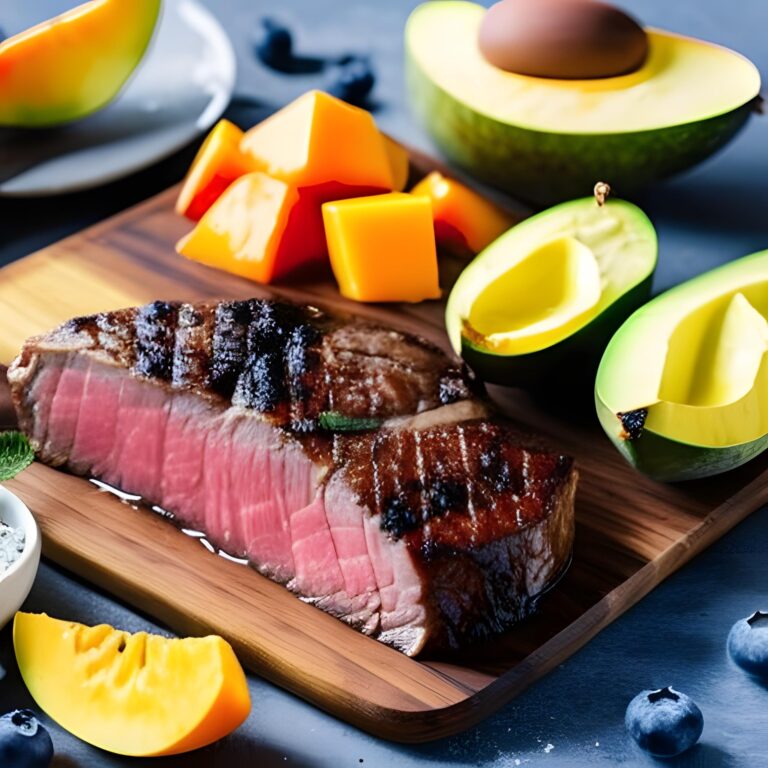
What if plants aren’t good for you?
The prevailing belief is that a well-rounded diet including vegetables, nuts, and grains is crucial for maintaining optimal health. However, I hold a different perspective, suggesting that consuming only the fruit of plants is more beneficial for humans.
Considering the plant’s point of view, it is evident that leaves, stems, roots, and seeds are highly defended parts as they play a vital role in passing on the plant’s DNA to the next generation. Consequently, these plant components contain defense chemicals such as tannins, saponins, isothiocyanates, lectins, oxalates, and cyanogenic glycosides. These chemicals are intended to deter consumption, potentially causing digestive issues, nutrient absorption inhibition, hormonal disruptions, and increased flatulence in humans.
In contrast, fruits serve a different purpose for plants. They are designed to be eaten, aiding in seed dispersal to new locations, with the hope that the seeds remain viable for germination. Fruits are enticing to animals due to their sweetness and colorful appearance, containing fewer defense chemicals than other plant parts.
There is substantial evidence in medical literature supporting the safety of fructose in fruits, even when consumed in significant quantities. However, the case for vegetables (leaves, stems, roots, seeds) being associated with improved health outcomes is primarily based on correlative and observational epidemiology. Controlled trials investigating the benefits of vegetables have often yielded mixed results, some showing no significant benefits or harm.
Recent large observational studies have even suggested that, after accounting for social status and exercise, there may be no substantial benefit to including vegetables in the human diet. While some argue that plant chemicals might have pharmaceutical functions, I believe their potential side effects outweigh the benefits. The concept of hormesis, where certain plant chemicals may activate NRF2 and promote endogenous glutathione production, can be achieved through other means such as saunas, cold plunges, exercise, and fasting.
Although plants do contain essential vitamins and minerals, it is possible to obtain them in more bioavailable forms from animal foods and fruits. On the other hand, certain nutrients found in animal products, such as creatine, carnitine, choline, biotin, anserine, taurine, K2, B12, riboflavin, B6, collagen, and peptides like BPC-157, are not readily available in substantial quantities from plants.